


Powering a cleaner future
- By Stuart Whiting
- 27 Feb 2026
- 2 min read
For decades, the logistics industry has been the invisible engine behind daily life, quietly moving the food we eat, the clothes we wear, the medicines we rely on, and the goods we order at the tap of a screen.
Today, however, this global backbone is facing an urgent transformation. The International Organization for Standardization (ISO) cites that logistics and transport together account for nearly a third of global CO₂ emissions, and demand is only rising as e-commerce accelerates, and global supply chains expand.
As climate concerns intensify and customers demand more sustainable choices, logistics is undergoing a profound reinvention centered on efficiency and decarbonization, leveraging electrification and digitalization. And the pressure to decarbonize is arriving from three powerful forces.
Customers expect responsible logistics; sustainability has moved from “nice-to-have” to a purchasing standard. According to the World Economic Forum, major retailers like IKEA, Walmart, and Unilever require their logistics partners to measure and reduce carbon emissions, and consumers are increasingly choosing brands with climate commitments.
At the same time, regulations are tightening around the world. Zero-emission zones, fuel economy requirements, and carbon-pricing mechanisms are being introduced across Europe, North America, and Asia. The EU’s Fit for 55 legislation is particularly influential, pushing freight carriers to accelerate their energy transition. Finally, the economics of it all is shifting as renewable energy becomes cheaper while oil price volatility continues.
Decarbonization in logistics is not a single initiative; it is a systemic transformation across fleets, buildings, and data. One of the biggest shifts is the move toward cleaner fleets and alternative fuels.
Case study
DHL x Schneider Electric
DHL and Schneider Electric teamed up to pioneer a new multi-modal shipping model that significantly improves sustainability and agility in global logistics. By combining air and sea freight and leveraging Sustainable Aviation Fuel (SAF), the partners launched two “shipping bridges” between Singapore and North America and India and North America, cutting Scope 3 carbon emissions by up to 20% during the pilot phase.
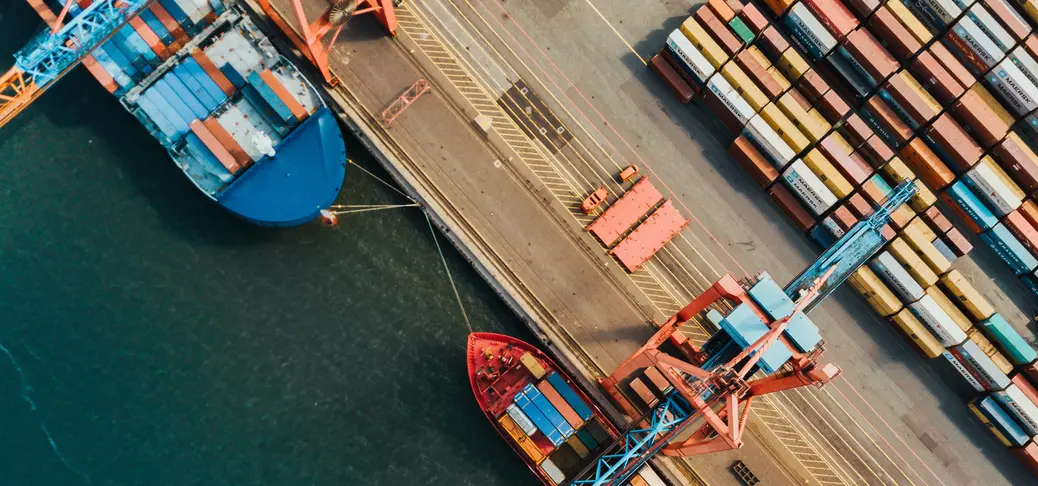
Schneider Electric will expand this approach to eight global routes, potentially reducing emissions by up to 40% compared to traditional air freight. This innovative model not only lowers environmental impact but also enhances supply chain resilience, demonstrating how collaboration and smart logistics can drive meaningful progress toward net-zero goals.

Another pillar of decarbonization is the reinvention of warehousing. Distribution centers are shifting from energy-intensive “big sheds” to intelligent, low-carbon hubs. Solar rooftops, advanced automation, smart lighting, and microgrids are helping sites cut energy use dramatically.
Case study
Schneider Electric Hub Asia
Schneider Electric’s own Hub Asia distribution center in Singapore sets the benchmark for sustainable logistics. Housed in a “Green Mark Platinum”-certified building and powered by offsite solar energy, the facility has operated with reduced emissions from day one, underscoring a strong commitment to Singapore’s sustainable ambitions.

As a SMART warehouse, it integrates Schneider Electric’s EcoStruxure solutions and connected technologies to drive energy efficiency and operational excellence. Beyond infrastructure, the hub champions circular practices by moving toward 100% recycled and recyclable cardboard packaging and eliminating single-use plastics. Its local fleet is also on track to become fully electric, reinforcing a holistic approach to decarbonization.

While we are not a logistics carrier, we are a key enabler of the sector’s transition through our electrification, automation and digitalization technologies that underpin more efficient, resilient and sustainable operations.

Equally important is the rise of emissions transparency and digital monitoring. Companies want precise carbon data rather than estimates, which is driving adoption of IoT sensors, real-time fuel and loading trackers, and AI-based forecasting tools.
Digital emissions dashboards such as Resource Advisor+ by SE Advisory Services, Schneider Electric’s global consulting practice, allow companies to understand the environmental cost of every transport route, mode choice, and warehouse decision. This clarity supports better optimization, new procurement strategies, and more credible sustainability reporting. It also allows customers who are both businesses and consumers to understand the environmental footprint of their purchases and delivery choices.
Sustainability is increasingly becoming a natural outcome of high‑performance, digitally enabled logistics systems. As organizations push for greater efficiency, they are turning to advanced digital tools that eliminate waste and strengthen operational precision.
AI‑driven demand forecasting aligns inventory with real consumption patterns, reducing excess stock and unnecessary emissions. Digital twins model the impact of different routes, weather conditions, and energy costs, enabling better decisions that minimize both delays and carbon output. Intelligent transport systems, powered by connected lights, sensors, and traffic‑optimization platforms, improve traffic flow to cut fuel use and congestion. In short, sustainability is accelerating the arrival of more precise, automated, and efficient logistics systems.
For the public, this transformation carries very real implications. Deliveries will become quieter, cleaner, and less disruptive in urban areas, improving everyday quality of life. Energy‑efficient freight networks will also be more resilient, reducing vulnerability to fuel price shocks and supply chain disruptions; while costs may shift in the short term, electrification and automation are expected to stabilize long‑term delivery expenses. And importantly, every individual plays a role: the growing availability of sustainable delivery options exists because people are asking for them, and choosing them.
The road ahead is both challenging and exciting. Building a more sustainable logistics ecosystem will require collaboration, investment, innovation, and time, but the direction is unmistakably clear.
The future will be powered by electrified fleets, warehouses that generate and store clean energy, digital tools that improve transparency, and partnerships that accelerate progress.
Sustainability in logistics is not just an industry transformation; it is a societal one. It will shape the air we breathe, the noise in our neighborhoods, the cities we live in, and the global economy we depend on. The transformation has already begun, and the companies that embrace it now will define the cleaner, smarter, more resilient logistics networks of tomorrow.
Latest in Climate and Planet
Powering a cleaner future: How decarbonization and electrification are transforming global logistics
2026 Global energy outlook: Securing resilience in the energy transition
From pledges to action: driving business value through climate transition
Future-proofing your business: An executive blueprint

Need help?
Product Selector
Quickly and easily find the right products and accessories for your applications.
Get a Quote
Start your sales inquiry online and an expert will connect with you.
Where to buy?
Easily find the nearest Schneider Electric distributor in your location.
Help Center
Find support resources for all your needs, in one place.